Horizon Fence Company Austin: Trusted Fence Installation Experts for Residential Properties
Transform Your Outdoor Space: Distinctive Fencing Ideas to Suit Every Style
Revitalizing an exterior setting depends on the right fence design. Varied selections are accessible for any style, whether one prefers sleek modern lines or the charm of natural timber. Expressive color-driven designs can enhance individual style. as tall, textured assessment fences provide personal space. For those seeking a connection with nature, living fences establish a seamless blend with surroundings. Every choice offers unique benefits, encouraging a more thoughtful consideration of how to choose the most suitable design for every exterior space.
Browse Modern Minimalist Approaches to Fencing Designs
How does modern minimalism reshape outdoor spaces through innovative fencing designs? This design movement prioritizes simplicity, refined lines, and functionality, turning ordinary fencing into remarkable features that elevate rather than hinder views. Minimalist fencing often utilizes materials like metal, concrete, or clear glass, establishing a discreet boundary that naturally harmonizes with the landscape.
Using this technique, attention moves from ornate embellishments to the essence of structure, enabling the ambient setting to shine prominently. Tones are commonly restrained, preferring earthy shades that complement exterior landscapes.
Such designs prioritize practicality, commonly including modular frameworks that can be easily adjusted or expanded. Such versatility accommodates varied requirements, whether for privacy or aesthetics. In the end, contemporary minimalism in fencing provides an elegant solution that enhances outdoor environments, fostering a sense of openness while providing necessary delineation.
Explore Natural Fencing Through Natural Wood Options
Rustic fencing presents a unique counterpoint to modern minimalist design, highlighting warmth and natural beauty through the use of raw wood. This fencing style draws inspiration from nature, incorporating materials like cedar, pine, and reclaimed wood. Each piece tells a story, displaying remarkable textures and grain details that elevate the overall aesthetic.
Rustic fences come in various forms, such as split-rail, post-and-beam, or picket designs, suitable for diverse outdoor settings. These fences integrate naturally with meadows, wooded areas, and gardens, forming a seamless relationship with the surrounding landscape. Furthermore, rustic fences tend to be eco-conscious choices, utilizing sustainable materials and practices.
Homeowners wishing to capture a rustic, rural atmosphere in their yard will find rustic fencing a wonderful selection. Its timeless appeal and natural elegance make it suitable for classic and modern garden designs, inviting a sense of serenity and nostalgia.
Tips for Picking Colorful and Artistic Fencing for Your Property
Which factors determine the choice of vibrant and creative fencing for a space? Chiefly, the architectural style and surrounding landscape play a considerable role. Residents often look for colors that harmonize with their properties or contrast effectively to create visual interest. Additionally, the primary function of the fencing—whether for boundary marking, protection, or decor—can influence design decisions.
Material choices also influence color options; as an example, wood is able to be painted or stained, while metal often requires specific coatings. Local climate should not be overlooked, as some finishes may perform better under specific weather conditions.
Moreover, personal style influences numerous choices; eclectic designs may appeal to those who favor bold expressions, while softer and more refined tones could align with conventional tastes. At the end of the day, a carefully considered use of color and creative design can significantly elevate the atmosphere of an exterior space, turning it into a distinctive reflection of the resident's character.
Want More Privacy? Explore Tall Fencing with Texture
The desire for increased privacy in outdoor spaces commonly drives homeowners to explore tall, textured fencing as an ideal solution. This style of fencing functions not only as a physical barrier but also contributes an attractive visual element to the surrounding landscape. The considerable height of the fencing effectively prevents intrusive gazes, establishing a tranquil atmosphere for rest and various outdoor activities.
Decorative surface treatments, like wood grain or decorative panels, add visual appeal without compromising on the necessary seclusion. Such finishes can be adapted to suit different architectural aesthetics, ranging from sleek modern to charming rustic, facilitating smooth incorporation into established architectural frameworks. Moreover, elevated textured fence panels provides practical benefits, such as sound dampening and wind resistance, elevating the quality of outdoor living. Homeowners often find that investing in this type of fencing not only strengthens privacy but also increases the value and appeal of their home.
Employ Living Fences to Connect With Nature
Living fence installations provide an organic and visually appealing method to enhance outdoor spaces while seamlessly blending with the surrounding landscape. Made up of various plants, shrubs, and trees, these living structures not only offer privacy but also promote biodiversity. They can be customized to accommodate specific environmental needs, ensuring sustainability and low maintenance.
Including native species cultivates a connection to the regional habitat, attracting advantageous fauna such as birds, insects, and pollinators. Green fences can come in many forms, from hedgerows to vertical gardens, permitting homeowners to customize their design according to individual preferences and spatial constraints.
In addition, they can serve as windbreaks or noise barriers, enhancing comfort in outdoor areas. In general, living fences offer a green alternative to ordinary fencing, enhancing the surroundings while providing functional advantages that align with nature. Their dynamic qualities assure that outdoor spaces remain vibrant and inviting throughout the seasons.
Merge Distinct Fencing Styles for a Consistent Aesthetic
While maintaining a cohesive aesthetic is essential for outdoor spaces, combining different fencing styles can create a unique and visually appealing environment. This strategy gives homeowners the opportunity to reflect their personality while elevating the overall beauty of their property. By carefully combining materials like wood, metal, and vinyl, homeowners can create a multi-dimensional look that brings richness and character.
For example, pairing a classic wooden picket fence with a modern metal gate can establish a striking contrast, merging old-world and present-day styles. In the same way, including a stone wall section alongside a modern fence can produce a seamless shift between diverse design themes. It is vital, however, to guarantee that the colors and textures enhance one another, sustaining harmony throughout the space. At the end of the day, a well-planned combination of fencing styles not only enhances the overall appearance but also showcases the homeowner's individual taste and way of living.
Frequently Asked Questions
What Materials Are Best for Durable Outdoor Fencing?
Wood, vinyl, metal, and composite materials are considered best for durable outdoor fencing. Each delivers exceptional qualities, such as protection against the elements, extended lifespan, and easy maintenance, making them excellent options for diverse settings and design preferences.
What Is the Best Way to Maintain My Fence Over Time?
To maintain a fence over time, regular inspections for damage are essential. Scrubbing surfaces, coating wood with protective treatments, and swiftly handling rust or deterioration will increase its longevity and copyright its appearance.
Are There Local Regulations for Fence Height and Design?
Fence height and design regulations vary depending on the local municipality. Homeowners should consult local zoning laws and building codes to guarantee compliance, as restrictions may include height limits, materials, and aesthetic guidelines specific to their area.
What Is the Average Cost of Different Fencing Styles?
The average cost of fencing styles varies considerably: wood options run from $10 to $30 per linear foot, vinyl fencing falls between $20 and $40, while chain-link options usually range from $7 to $15, depending on materials and installation.
Is It Better to Install Fencing Myself or Hire a Professional?
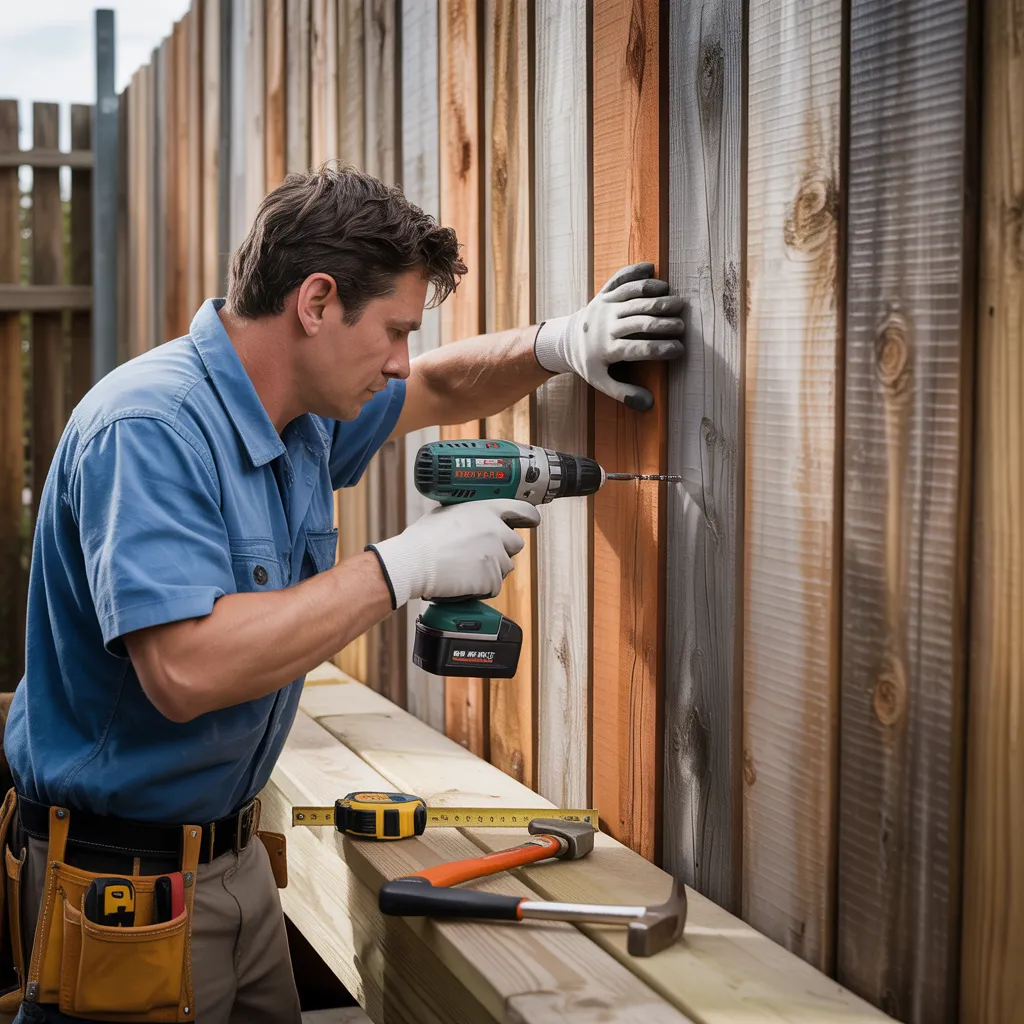
People can take on fencing installation as a DIY project if they have the proper skills and tools; however, enlisting a professional secures quality installation, conformity with local regulations, and may ultimately save both time and effort.